Bridging the "Data" Gap from Models to Specs
01/Summary
Project Type
Revit plugin
Date
September 2019 - November 2021
Team
Product Designer
Product Owner(s)
2 Front-End Developers
2 Back-End Developers
Product Owner(s)
2 Front-End Developers
2 Back-End Developers
Metrics
Near 100% reduction in manual data entry errors
Dozens of billable hours saved per project
Project Vision
The Overtur for Revit plugin, created to solve a specific, high-stakes communication gap in the construction industry - the "Data Wall" between architectural design and door hardware specification.
Customer Problem
The primary challenge in door hardware specification is fragmentation. Specifically sending and retrieving data back and forth from building models.
In a typical Revit workflow, the architectural model and the hardware specifications often live in two different worlds.
In a typical Revit workflow, the architectural model and the hardware specifications often live in two different worlds.
The goal of the plugin was to create a frictionless digital bridge between the architectural design process and door hardware specifications.
Eliminating manual fragmentation would ensure that every door opening was specified with 100% accuracy, in real-time, directly within the Revit environment and transferred to the web app with ease.
Eliminating manual fragmentation would ensure that every door opening was specified with 100% accuracy, in real-time, directly within the Revit environment and transferred to the web app with ease.
Due to the disjointed experience, the challenge that architects and hardware experts faced was the process of manually copying and pasting door data back and forth.
This tedious "busy work" led to frequent errors, risked safety codes, and wasted hours of repetitive work that should have been spent on actual design.
This tedious "busy work" led to frequent errors, risked safety codes, and wasted hours of repetitive work that should have been spent on actual design.
Project Challenges
Driven by a "build-first, think later" mentality, the project bypassed critical discovery phases to jump straight into high-fidelity designs. This created a high-pressure environment where I had to retroactively map user requirements and error logic while simultaneously delivering "pixel-perfect" designs.
Skipping validation led to significant design and technical debt, resulting in frequent rework and a bloated backlog for myself. However, this experience taught me to maintain design integrity under pressure and proving that while a perfect process is the end-goal, a user-centered mindset is a requirement for the full user experience.
Skipping validation led to significant design and technical debt, resulting in frequent rework and a bloated backlog for myself. However, this experience taught me to maintain design integrity under pressure and proving that while a perfect process is the end-goal, a user-centered mindset is a requirement for the full user experience.
02/What I Delivered and How
-- Services
- Design Strategy Coaching
- Wireframing and Prototyping
- Designer/Developer collaboration
- Facilitation
-- Deliverables
- User flows and task flows
- Interactive prototypes
- UI Component library
- High-fidelity UI designs
-- Outcomes
I provided a comprehensive UI component library and a continuous stream of high-fidelity designs that sustained a two-year release roadmap for the plugin.
Additionally, I provided strategic design coaching to the Product Owner, resulting in the successful integration of design-thinking frameworks into their permanent workflow.
Additionally, I provided strategic design coaching to the Product Owner, resulting in the successful integration of design-thinking frameworks into their permanent workflow.
03/Understand the Problem
What I discovered working through issues
I joined the project mid-way through a challenging transition where high-fidelity production had jumped ahead of strategy.
By auditing the existing work and working closely with the Product Owner, I shifted the focus back to focusing on theuser and identifying core pain points and establishing a clear path to success.
By auditing the existing work and working closely with the Product Owner, I shifted the focus back to focusing on theuser and identifying core pain points and establishing a clear path to success.
- Data needs to be exported by selecting door schedules and floor plan sheets to upload. (Send Process)
- Door schedule editing, including door and room renumbering for plans.
- Pulling the completed hardware assignments back into Revit by mapping data to the model's door parameters. (Retrieve Process)
- Syncing the updated parameters to the central model to ensure your Revit schedules and tags reflect the final hardware specifications.
- Account settings and preferences for the plugin.
Five Touch Points
Send Data
Sync Data
Retrieve Data
Account Settings
Edit Data
This is where things started to fall apart...
After copious amounts of coaching, back-tracking on discovery, and re-focusing on a direction - the design process ultimately fell apart again and I could not reign it back in. This is through no fault of the team or the product owner. The business wanted to develop faster, I could not. I was already on 2 other major projects and resigned myself to the project being a "build the plane while flying it" process in order to survive.
This situation resulted in hiring more designers and slowing down on development after launch.
I did the best I could and will gladly wave the "Yellow Flag" earlier in the process.
This situation resulted in hiring more designers and slowing down on development after launch.
I did the best I could and will gladly wave the "Yellow Flag" earlier in the process.
04/Screen Examples
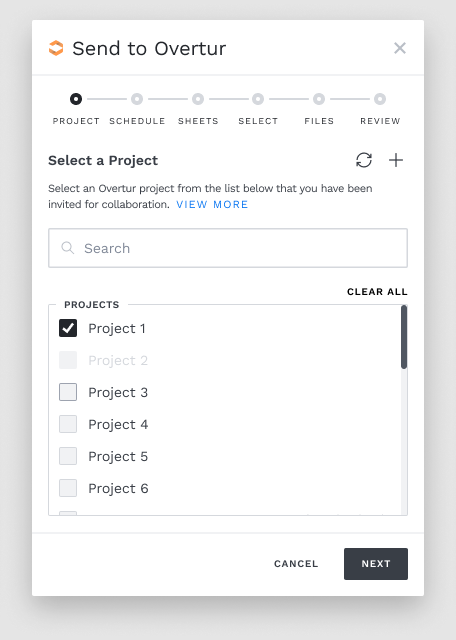
Sending the data
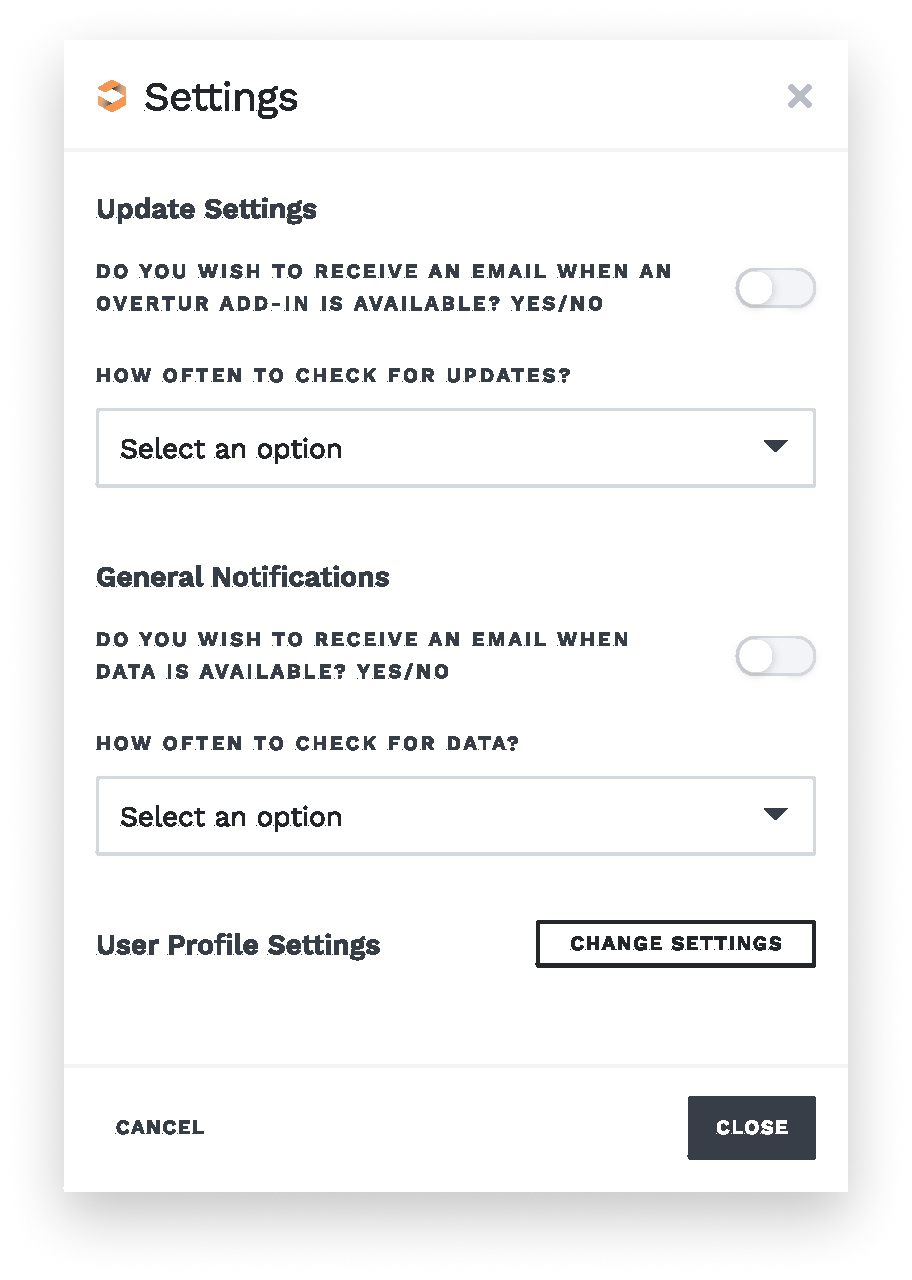
Settings for the plugin
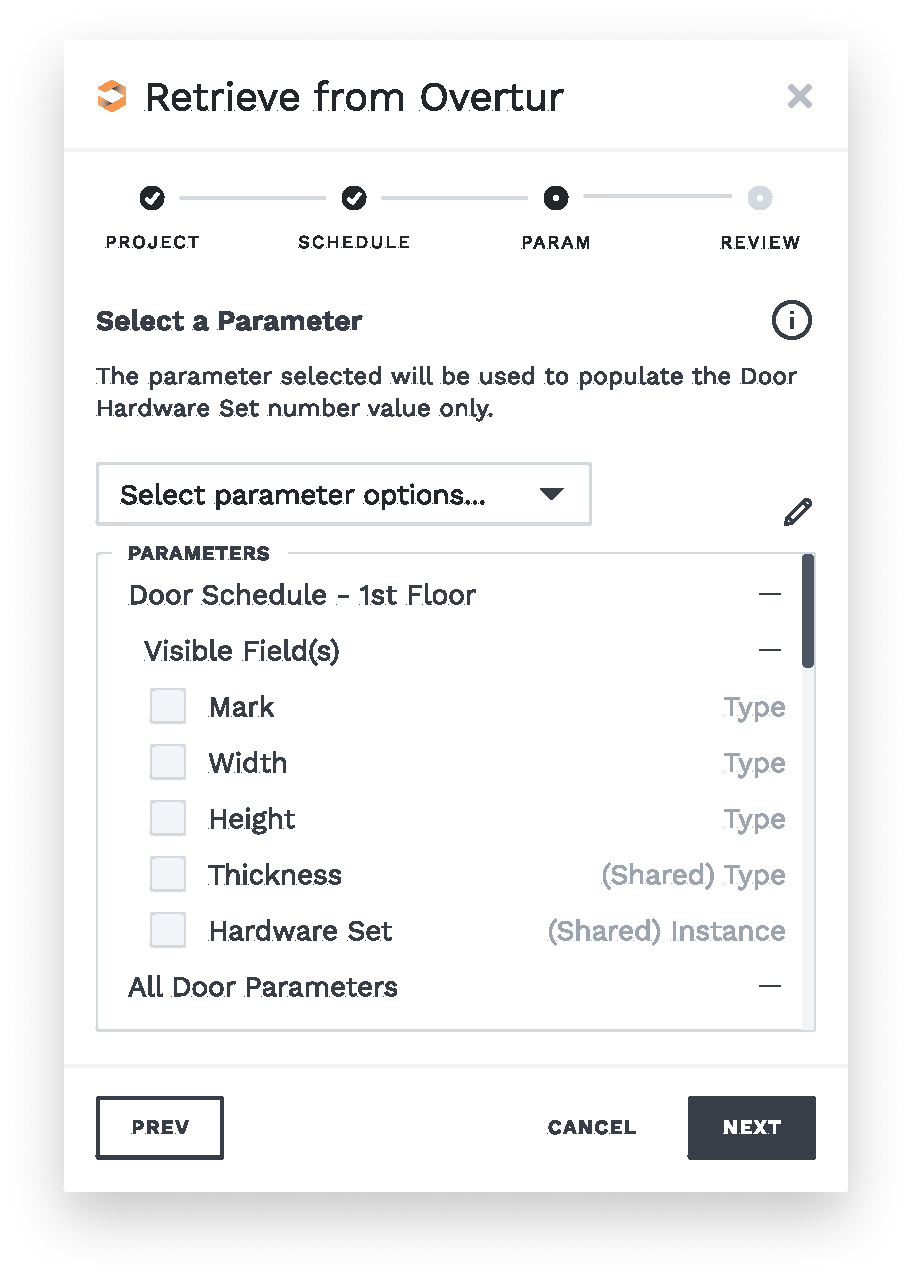
Retrieving the data
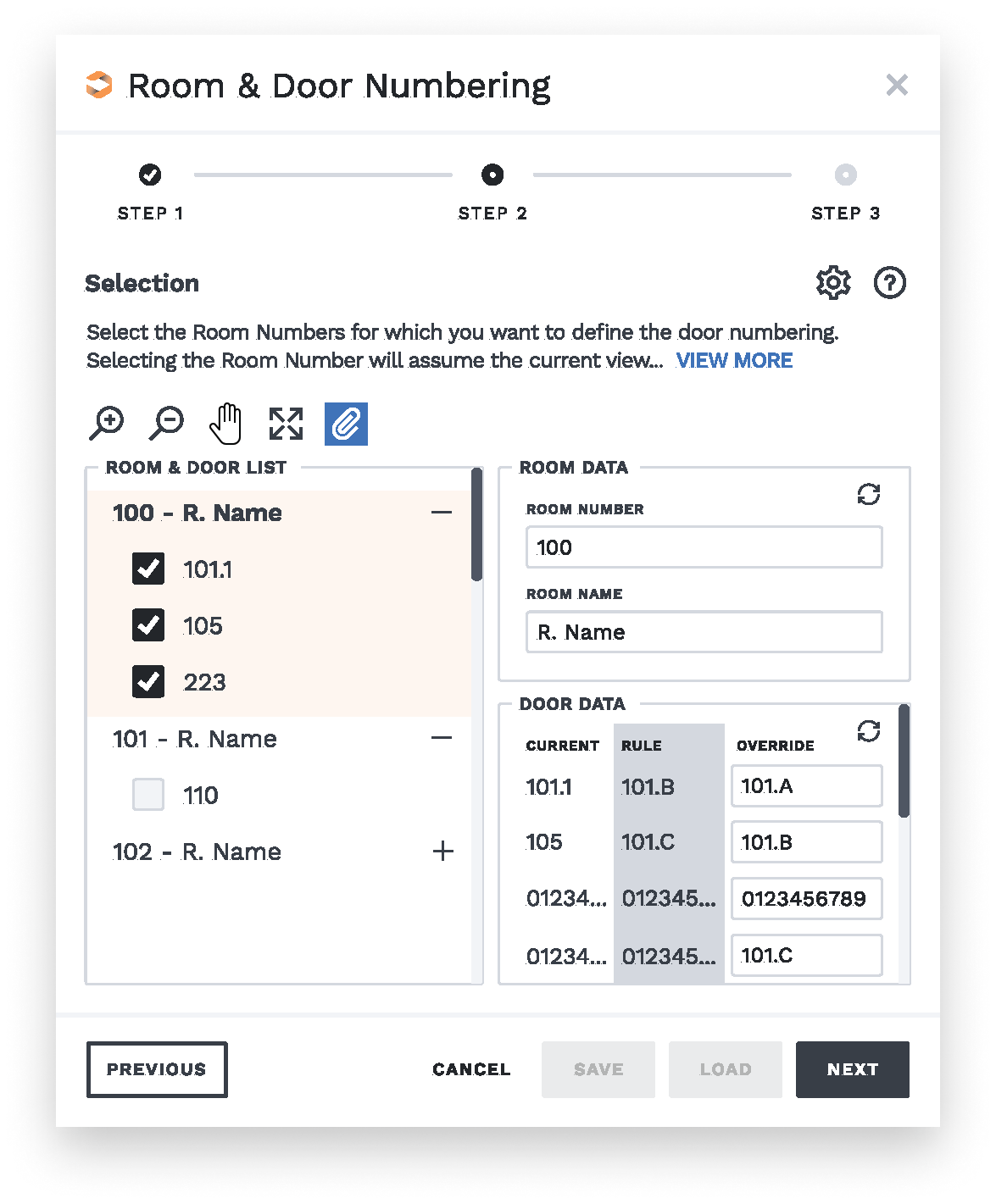
Numbering the door data
%20-%20Data%20Change%20Input%20Field.png)
Door schedule editor
Final Thoughts
The design process for the plugin was a masterclass in maintaining design process within a high-pressure, "build-first" environment for me. While the project successfully fulfilled the requirements, the process highlighted the tension between rapid development and a foundational design strategy. This project served as a powerful reminder that while a user-centered mindset can lessen the risks of skipped discovery, it cannot entirely replace it.
When I joined the project half way through, I found it required a delicate balance of retroactive mapping and "pixel-perfect" delivery. Ultimately, the decision to scale the design team post-launch validated what I had advocated for throughout the process, which was sustainable speed requires a foundation of project resources and a more substantial project scope.
Moving forward, I carry the ability to maintain a steady head during technical debt crises and the confidence to wave the "yellow flag" earlier when the speed of the project threatens the user experience.
When I joined the project half way through, I found it required a delicate balance of retroactive mapping and "pixel-perfect" delivery. Ultimately, the decision to scale the design team post-launch validated what I had advocated for throughout the process, which was sustainable speed requires a foundation of project resources and a more substantial project scope.
Moving forward, I carry the ability to maintain a steady head during technical debt crises and the confidence to wave the "yellow flag" earlier when the speed of the project threatens the user experience.